The three ways to travel New Zealand, what each really costs in time and money, and how to mix them.
New Zealand is a driving country. Public transport between towns is thin, distances look short on the map and take longer on the road, and the best places are at the end of a two-lane highway. How you cover that ground shapes the whole trip.
Self-drive
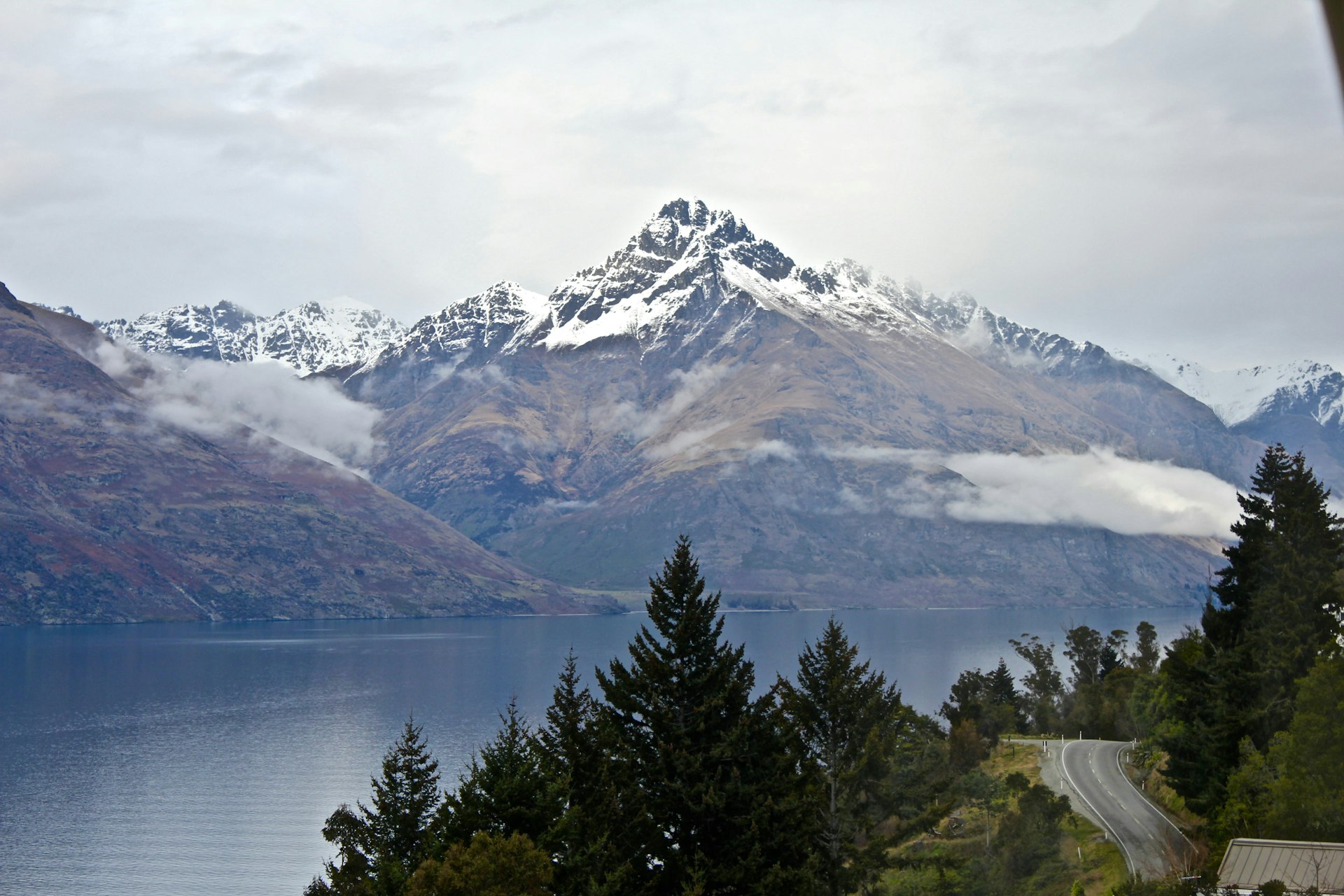
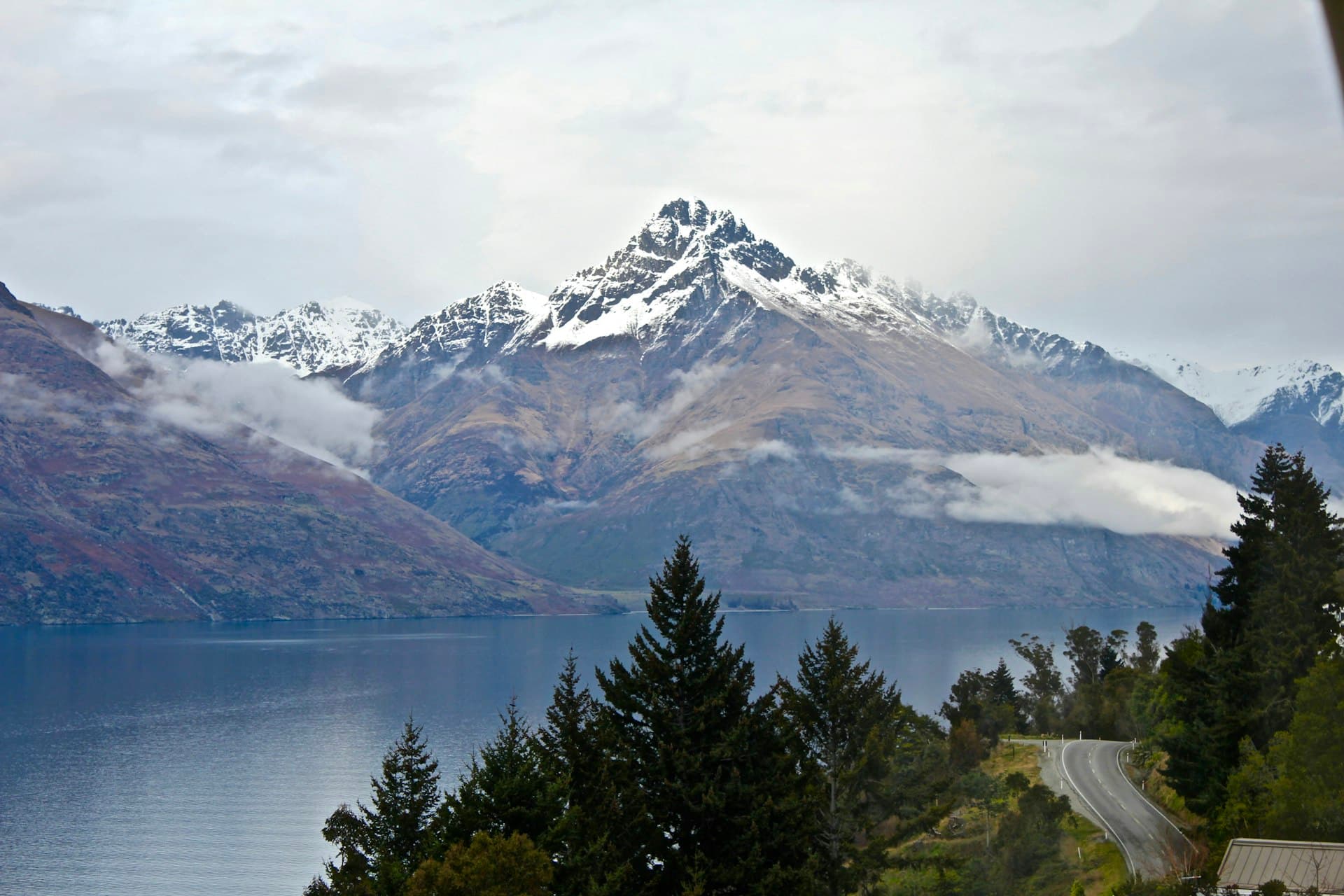
The classic. A rental car or campervan, your own pace, and the freedom to stop at every lookout. Driving is on the left, roads are well signed, and outside the cities traffic is light. The catches: many roads are winding and slow (plan on 60–70 km/h averages, not 100), it's tiring after a long-haul flight, and one person is always watching the road instead of the view.
Good for confident drivers, couples and small families, and anyone who values flexibility. We book the car, the stays and the experiences, and give you a day-by-day plan with realistic drive times.
Private driver-guide
A local drives, guides and handles everything, in a car or van sized for your group. Everyone gets the view, nobody gets lost, and you learn more about the place in a day than in a week alone. It is the most expensive way to travel per day, but for a family of six or a group of friends the per-person cost is closer than you'd think.
Good for larger families, multi-generation groups, luxury trips and anyone who doesn't want to drive on the left.
Small-group and scheduled touring
Coach tours, scenic trains and scheduled day trips cover the big sights well and cheaply. We rarely build a whole trip this way, but we use pieces of it all the time — the TranzAlpine train across the Alps, a coach day to Milford Sound, a scheduled cruise.
Mixing them
Most of our trips are a mix. Self-drive across the open country, a driver for the mountain passes and the wine days, a train for the scenery, a flight to skip the long bits. Tell us how you feel about driving and we'll shape it around that.
Ready when you are