There is no bad month, only different ones. What each season actually looks like on the ground, and who it suits.
New Zealand's seasons are the reverse of the northern hemisphere's, and the country is long and thin enough that the top and bottom can feel like different climates on the same day. Here's how the year runs.
Summer — December to February
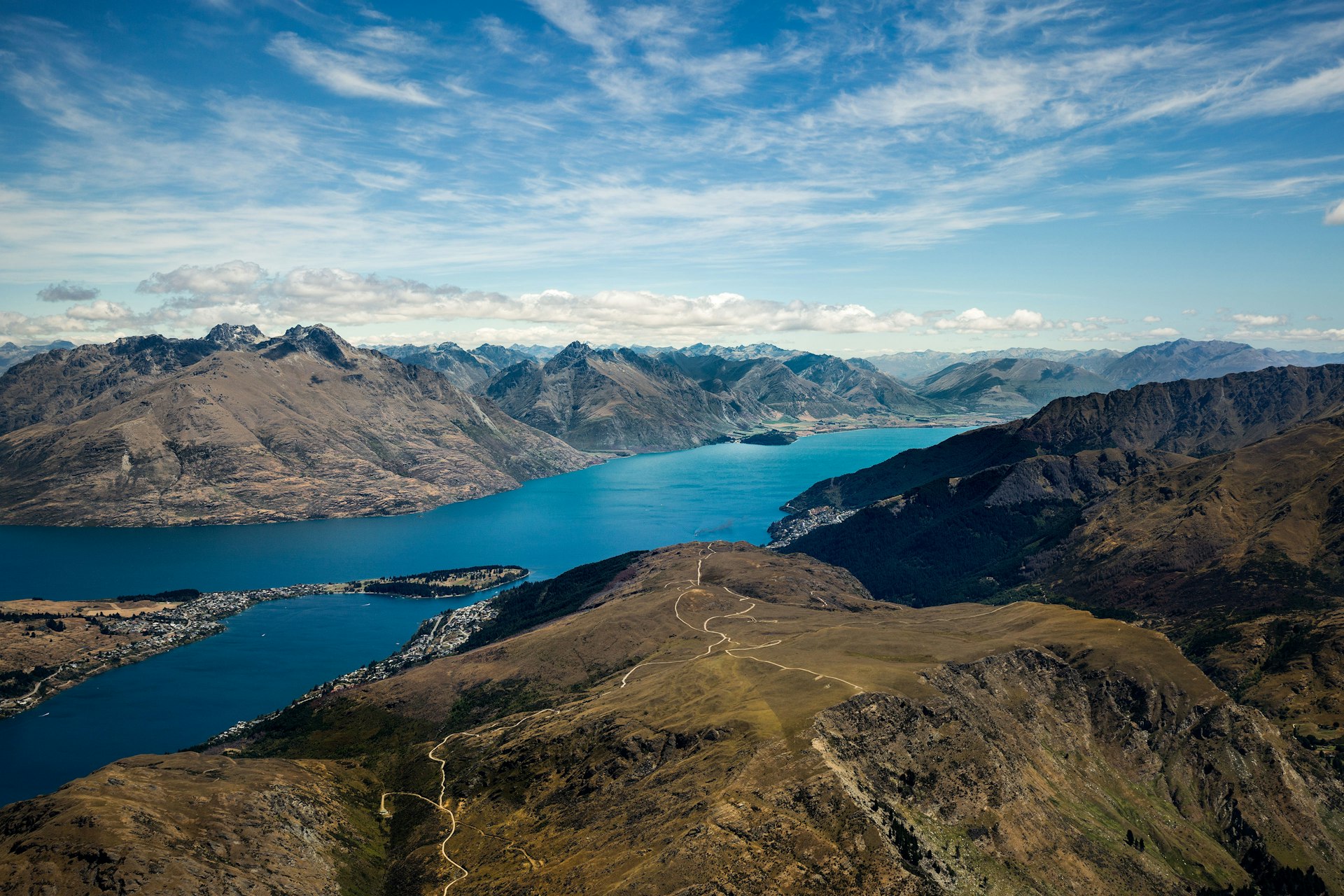
Long light until 9.30pm, warm lakes, every road and trail open. It's the busiest and most expensive time, and Kiwis are on holiday too from Christmas to mid-January. Book six months ahead for the popular lodges. Best for beaches, the Bay of Islands, Abel Tasman and anyone who wants maximum daylight.
Autumn — March to May
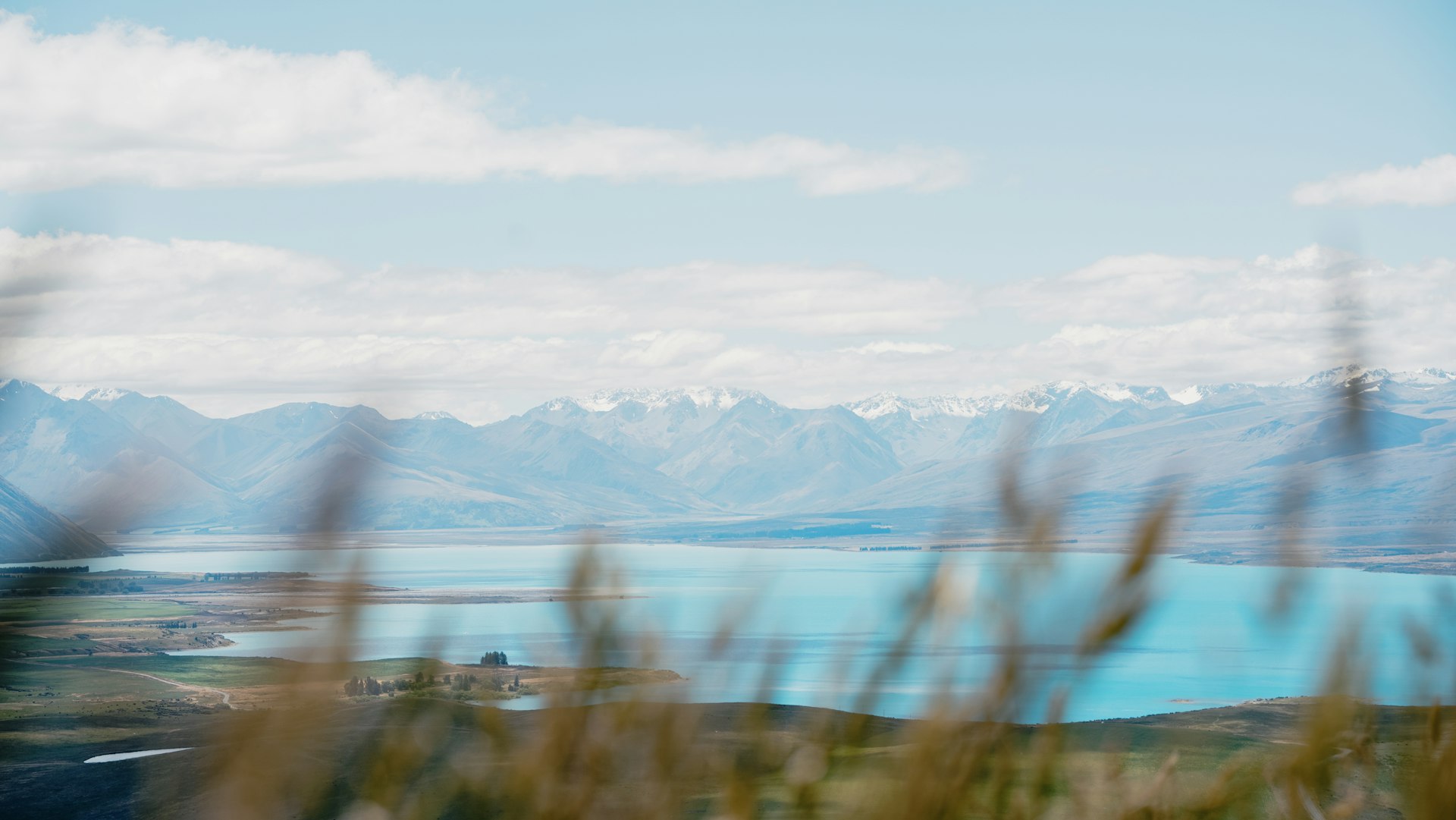
Our planners' favourite. Settled weather, warm days and cool nights, harvest in the vineyards, and Central Otago turning gold in April. Crowds thin out after Easter and prices soften. Best for couples, food and wine, photography and touring.
Winter — June to August
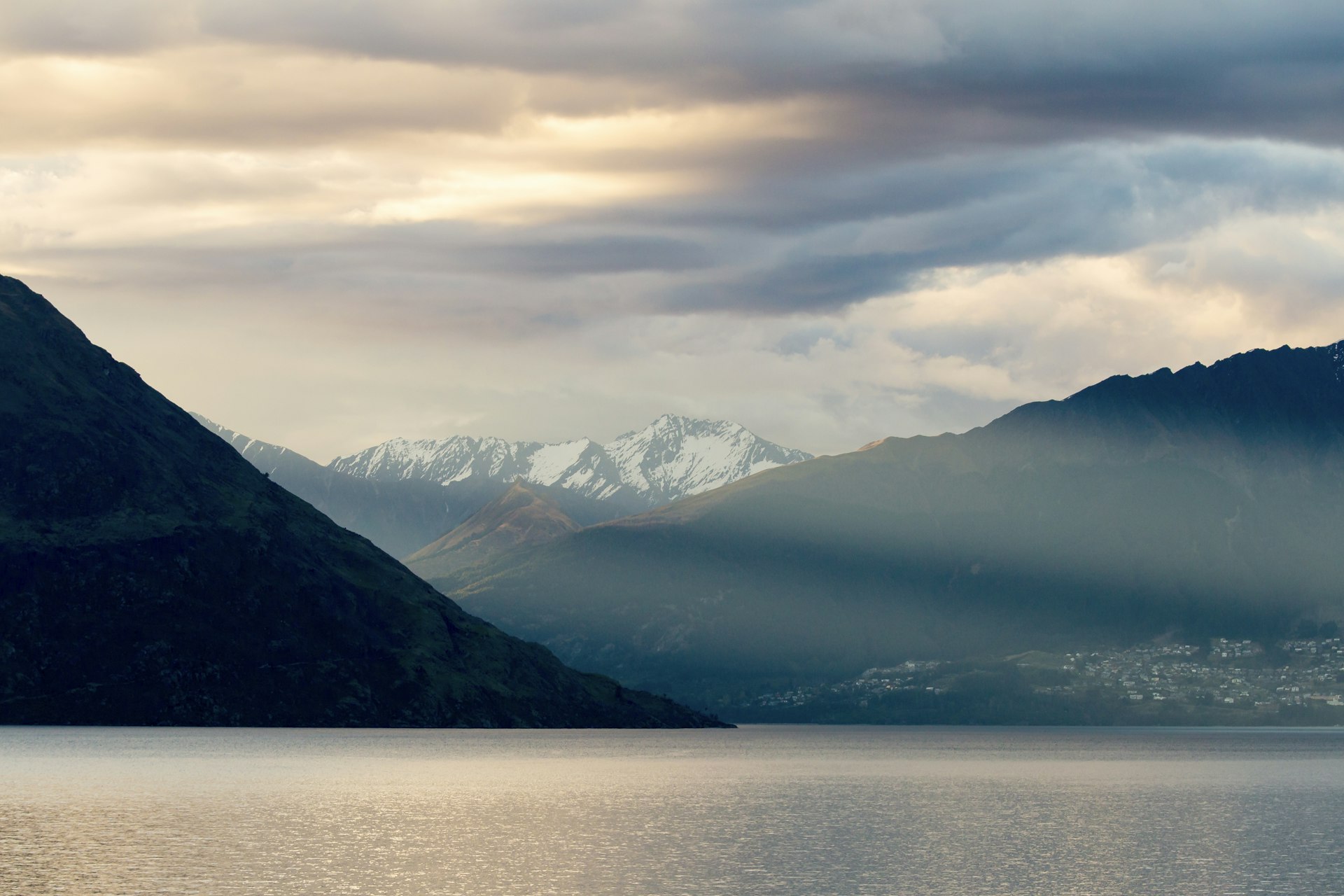
Ski season in the South Island: Queenstown and Wānaka fields open from mid-June. Days are short but often clear and still, the skies are at their darkest for stargazing, and hot pools are at their best. The North Island is mild and green. Best for snow, Tekapo's stars, and travellers escaping a Gulf or Indian summer.
Spring — September to November
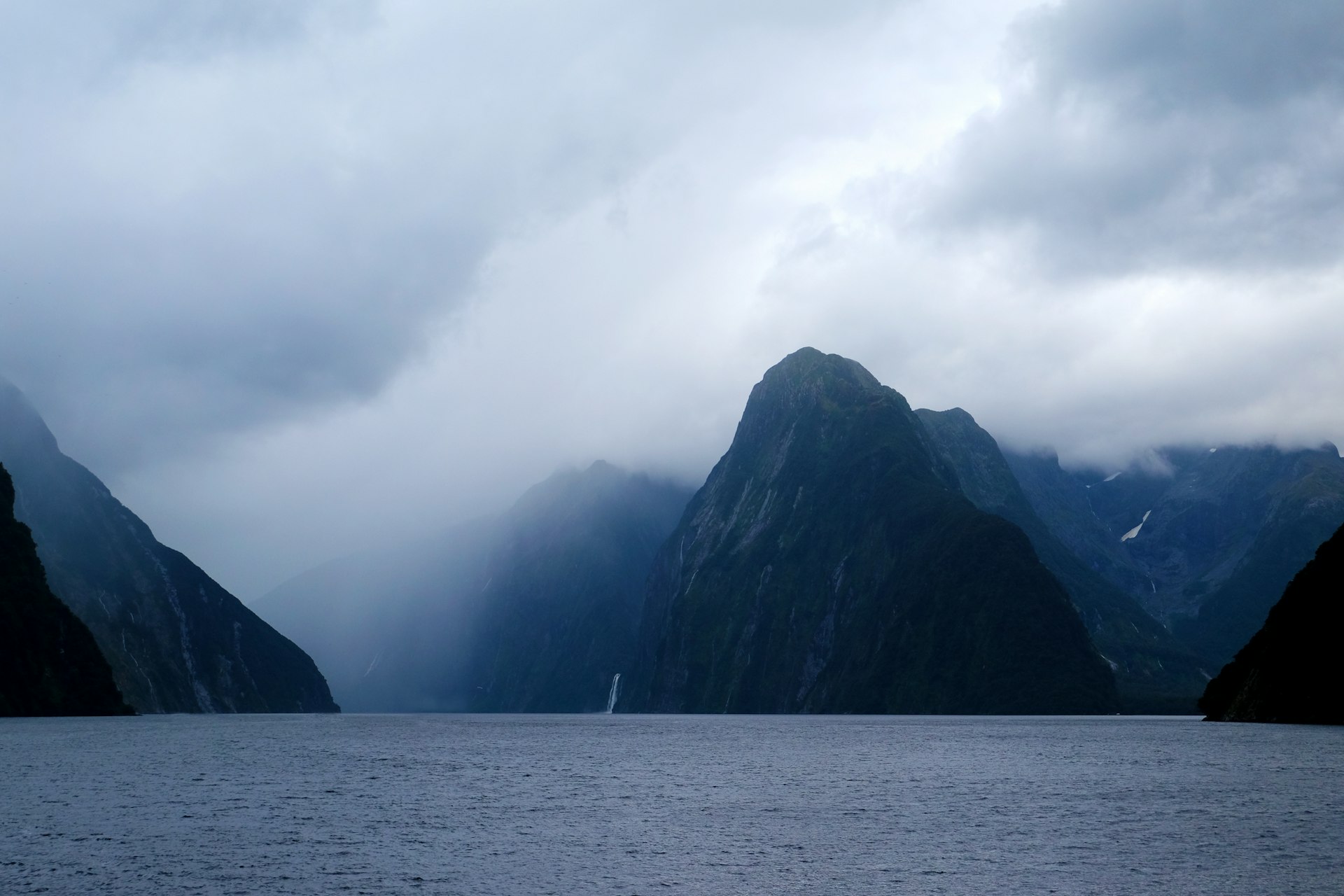
Waterfalls at full flow, snow still on the peaks, lambs in every paddock and the year's lowest prices. Weather is the least predictable — pack for all of it. Whale watching at Kaikōura is excellent. Best for value, wildlife and travellers who don't mind a changeable day.
A note on school holidays
New Zealand schools break for two weeks in April, July and late September/October, plus six weeks over Christmas. Family stays and Queenstown fill up in those windows. If you're flexible, travelling the week after a holiday ends is a quiet, well-priced sweet spot.
Ready when you are